BOOKS & SPECIAL ISSUE JOURNALS
-
![]()
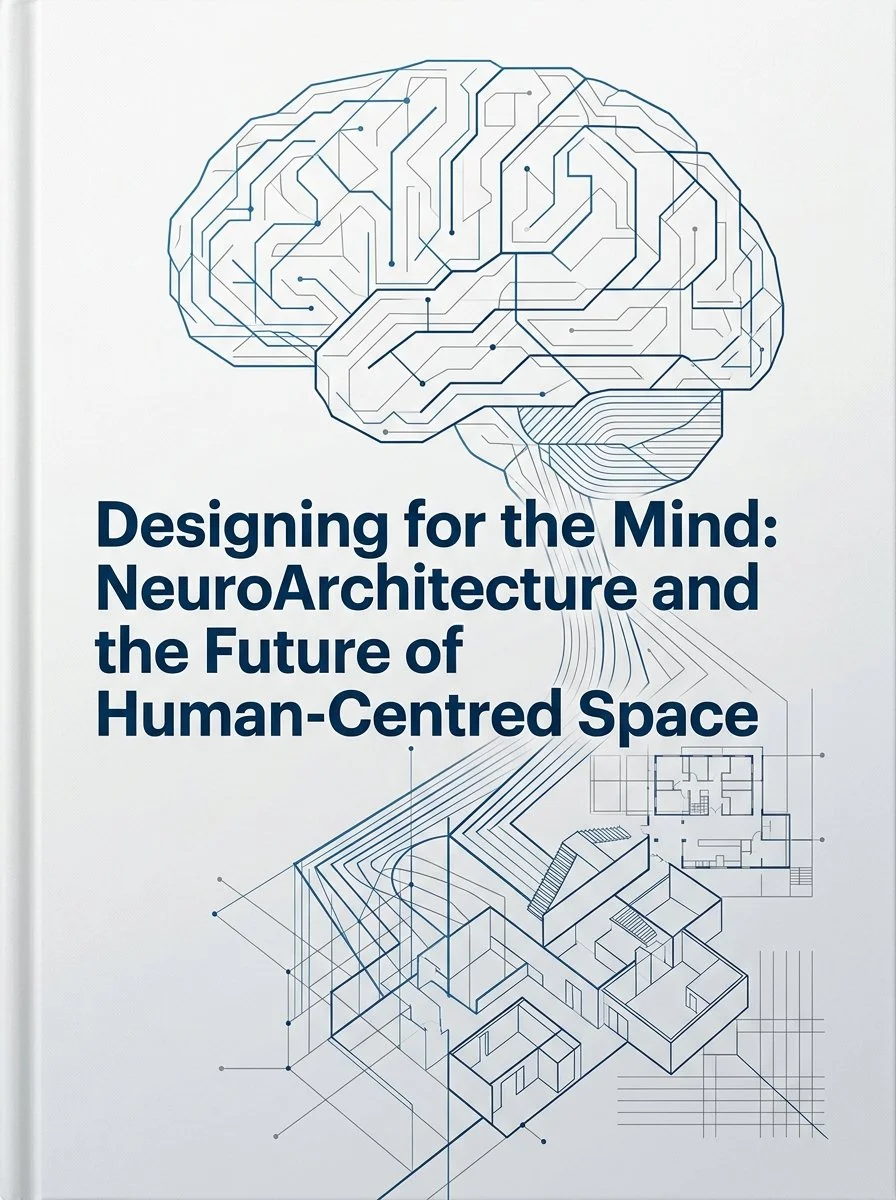
Book I
Designing for the Mind: NeuroArchitecture and the Future of Human-Centred Space
-
![]()
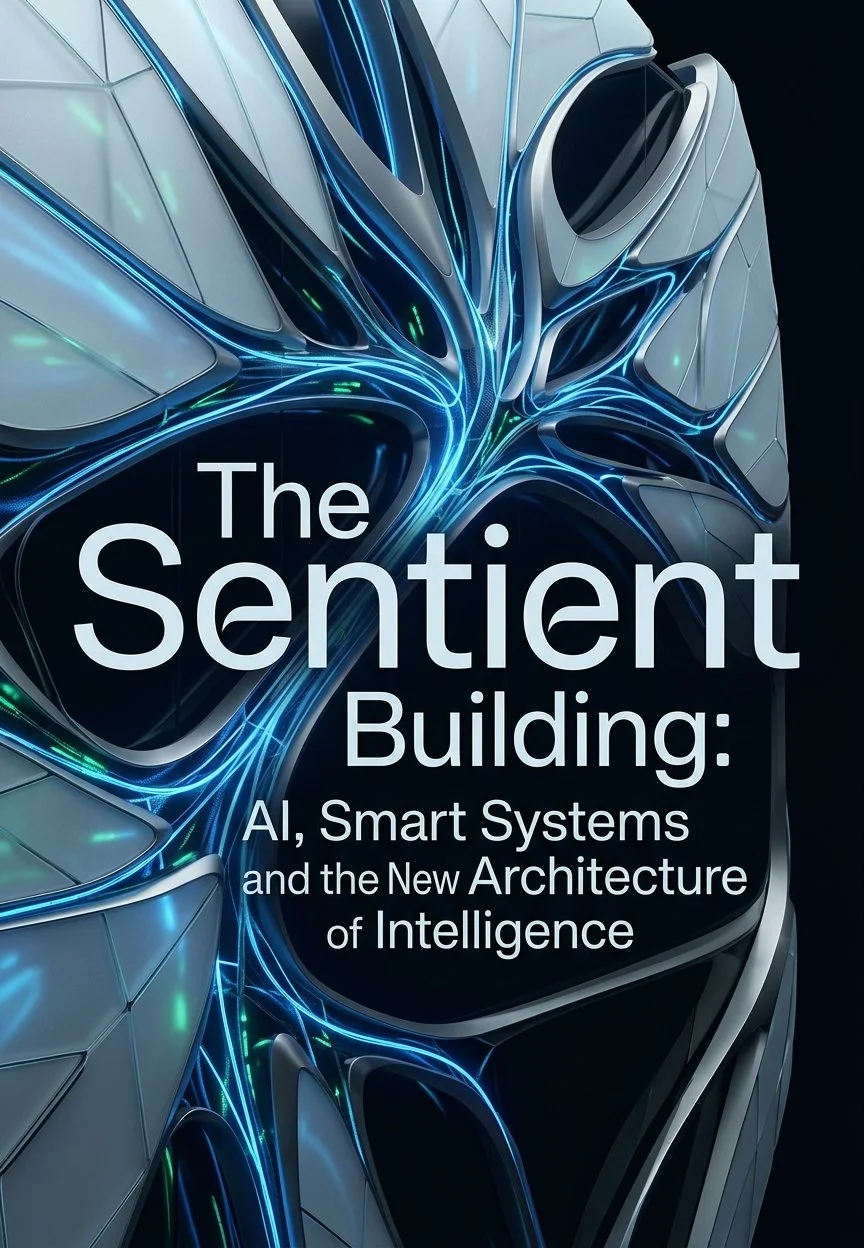
Book II
The Sentient Building: AI, Smart Systems and the New Architecture of Intelligence
-
![]()
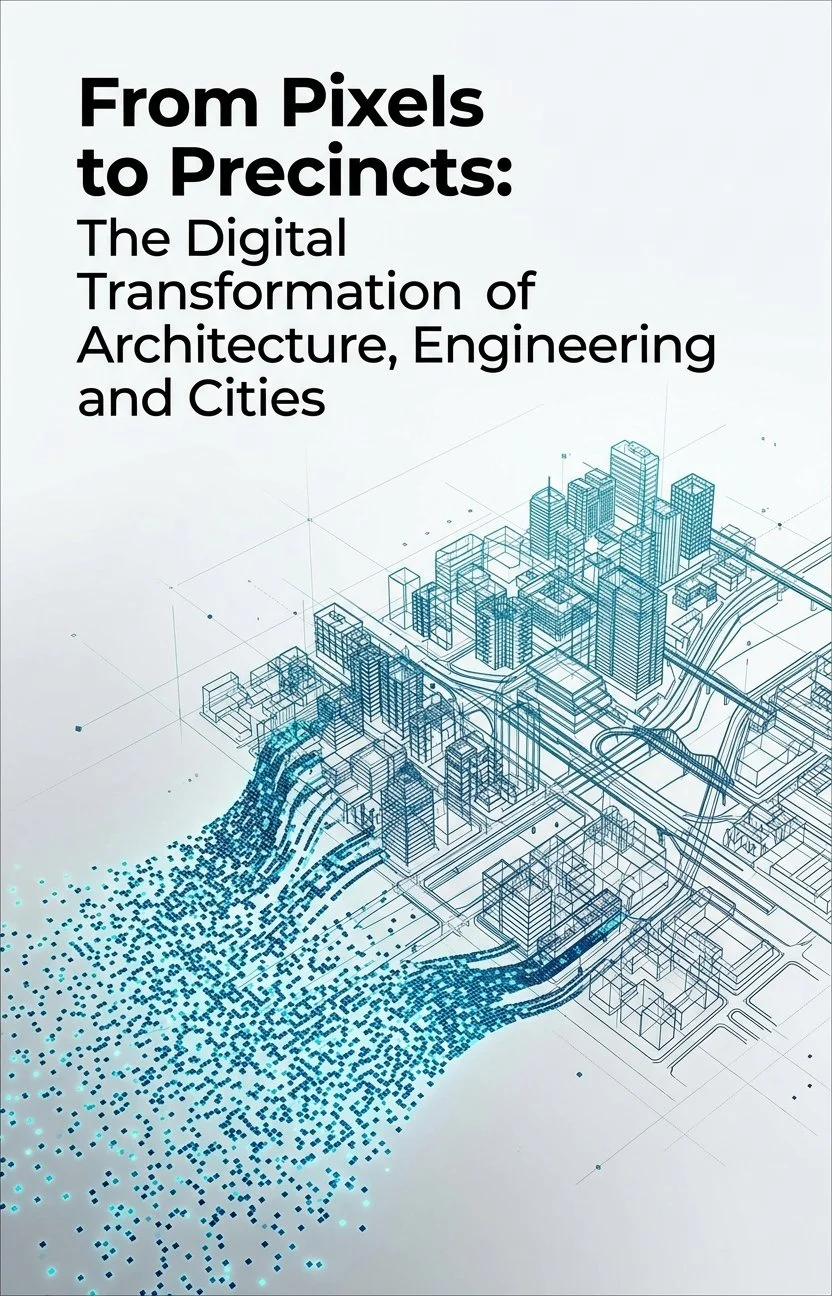
Book III
From Pixels to Precincts: The Digital Transformation of Architecture, Engineering and Cities
-
![]()
-
![]()
-
![]()

Academic Full Paper Submissions
Authors of accepted abstracts are now invited to submit their full papers. Each paper should present original work that advances the boundaries of the built environment. All accepted papers will be published in the official GDI 2026 conference proceedings.
Download Template
Use the official GDI 2026 submission template to format your full paper before you start writing.
↓ Submission Template (.zip)Prepare Full Paper
Write your full paper, strictly limited to 10 pages including references, following the template and required section structure.
Upload
Submit both a PDF and an editable Word version via the conference portal before the deadline. Repeat for each additional paper.
Industry Contributions
We welcome project case studies, strategic initiatives, and thought leadership from practitioners. Accepted authors will be invited to present live at DigiBUILT 2026.
Draft Proposal
Write a concise article (max 500 words) outlining your proposed industry topic.
Check Alignment
Ensure your topic clearly aligns with one of the core DigiBUILT 2026 pillars.
Upload
Submit your 500-word proposal securely via the conference portal.
Formatting & Preparation Guidelines
Submission Rules
- Originality & Language: All work must be original, unpublished, and written in clear, professional English.
- Blind Review: Submit anonymous papers. Author names and affiliations must only be entered into the web portal, not the file itself.
- File Format: Upload two versions of each paper, a PDF and an editable Word file.
- Naming Convention: Name files using your submission ID followed by a short title (e.g.,
GDI2026 ID 100 Smart City).
Full Paper Structure
- Length: Each paper is strictly limited to 10 pages, including references.
- Template: Format your paper using the official GDI 2026 submission template. Figures should be high resolution and clear.
- Content: Please organise each paper into the following sections:
- Title
- Introduction
- Literature Review
- Methods
- Results
- Discussion
- Conclusion
Publication & Opportunities
Expanded Opportunities
- Journal Special Issues: Authors of high-quality submissions will be invited to expand their work for leading academic journals.
- Book Chapters: The highest-ranked papers will be specifically considered for inclusion as dedicated book volumes.
Publication Requirements
- Camera-Ready Version: Following peer review, authors must submit a final, camera-ready version that addresses all reviewer comments.
- Quality Assurance: Independent quality checks will be conducted. Final publication is strictly contingent on passing these evaluations.
- Guidelines: Ensure formatting aligns strictly with the official conference template and preparation guidelines.
⚠ Scope & Eligibility for Publication
To uphold the quality and impact of the DigiBUILT 2026 proceedings, our publication partner requires that all accepted papers present original, substantive research with clearly demonstrated novel outcomes.
Accordingly, the following submission types fall outside the scope of the conference proceedings and will not be considered for publication:
- Literature review papers that do not introduce a novel framework, methodology, or original contribution beyond the review itself
- Scientometric or bibliometric studies (e.g., keyword mapping, citation trend analyses)
- Survey-based papers that solely report descriptive findings without advancing new knowledge or theory
- Essays and opinion pieces that lack empirical grounding or methodological rigour
- Derivative or incremental studies that apply existing tools or methods to a new context without producing novel insights
We strongly encourage authors to ensure their work makes a clear and demonstrable contribution to the field. If you are unsure whether your research aligns with these criteria, please do not hesitate to contact us before submitting.